A foundational guide for families planning a quinceañera in Southwest Florida — and for anyone trying to figure out which version is theirs.
If you've started planning a quinceañera and felt like every Pinterest board, vendor website, and YouTube tutorial was describing a slightly different event, you're not imagining it. The quinceañera is one of the most beautifully variable traditions in Latino culture. What looks like "the quinceañera" to one family looks like "a wedding" to another, and what feels like "the right way" in Mexico City may feel formal and unfamiliar in Miami — or in Cape Coral.
This is a guide for families who want to understand the differences before they make decisions. Not because there's a single right way to throw a quinceañera, but because every family deserves to know what tradition they're choosing, what they're modifying, and what they're leaving behind. We coordinate quinceañeras across all three traditions — Mexican, Cuban, and the Americanized hybrid that most Cuban-American families in SWFL actually celebrate — and we wrote this guide because the conversation about which version a family wants is the most important one we have in the first month of planning.
Why the Differences Exist
Before we get into specifics, a quick orientation. The quinceañera has roots that predate any single national tradition — anthropologists trace coming-of-age ceremonies in indigenous Mesoamerica, blended over centuries with Spanish Catholic ritual and shaped by each Latin American country's distinct cultural evolution. By the time the tradition crystallized into the recognizable modern form, every country had its own version. Mexico developed the most formally codified version. Cuba developed a version shaped by its particular blend of Spanish colonial heritage, African cultural influences, and a strong tradition of family celebration. The United States, where Cuban and Mexican families now coexist with each other and with broader American culture, developed yet a third version — drawing from both, blending with American sweet-sixteen traditions, and accommodating practical realities like dispersed extended families and dual-language guests.
None of these versions is more authentic than the others. They are all real. They are all rooted. They are all someone's tradition. The question is which one is yours, and what choices you want to make where the traditions diverge.
The Mexican Quinceañera
The Mexican quinceañera is the most ceremonially elaborate of the three, and the version that most Pinterest searches and TikTok content reference by default. If you've seen a quinceañera depicted in mainstream media in the United States, you've almost certainly seen the Mexican version, because Mexican-American families make up the largest Hispanic demographic in the country and shaped the visible pop-culture image of the tradition.
The Mexican quinceañera typically begins with a Catholic Mass — a misa de acción de gracias — which is genuinely the centerpiece of the day, not a brief preamble to the party. The misa includes specific ritual elements that don't appear in other versions: the bendición de los símbolos (blessing of the symbolic items), the entrega de los símbolos from parents to daughter, and the formal prayer of thanksgiving for fifteen years of life. Many Mexican families hold the misa at the family parish church the quinceañera has attended since baptism, with the same priest who has known her since childhood.
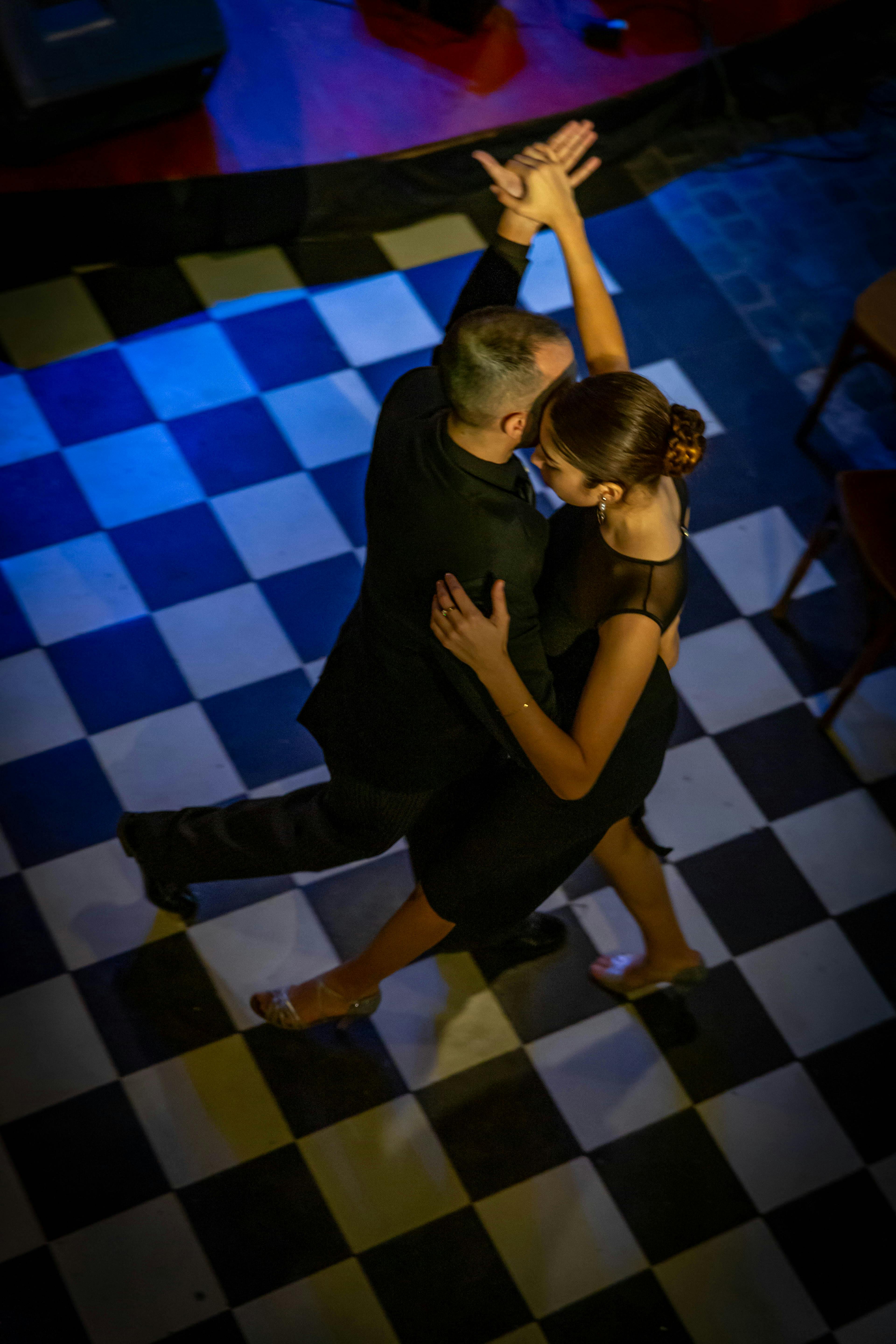
The court of honor — los chambelanes y damas — is large, formal, and rehearsed. A traditional Mexican quinceañera court has fourteen damas (one for each year of the quinceañera's life, plus herself as the fifteenth), each accompanied by a chambelán. The court learns choreographed dances over weeks or months of rehearsal, and the choreography draws from formal ballroom traditions. The vals — typically a Strauss waltz or a traditional Mexican vals — is performed by the quinceañera and her chambelán de honor, then expanded with the full court. The choreography is genuinely danced, not approximated.
Specific ritual moments structure the rest of the celebration. The cambio de zapatos — the changing of shoes from flats to heels, performed by the father — marks the symbolic transition into womanhood. The última muñeca, where the quinceañera receives a final doll from her father before passing it to a younger sister or cousin, marks the leaving of childhood. The brindis — the formal toast — is given by the father in a structured speech that often moves the room to tears. Each of these moments has a specific position in the timeline and a specific emotional weight. They are not optional ornaments; they are the structure of the day.
Music for the Mexican quinceañera typically includes mariachi for the misa or arrival, banda or norteño for the reception, and a DJ or live band for the late-evening dancing. Food is central and abundantly Mexican — birria, mole, tamales, carnitas, depending on the family's regional roots. The quinceañera cake is multi-tiered and often features specific design elements (the doll figure, the elaborate frosting work) that have their own visual vocabulary.
The Mexican quinceañera, done traditionally, is a genuinely large undertaking. The court alone requires months of rehearsal coordination, the misa requires church scheduling and liturgical preparation, and the day itself runs from morning Mass to late-night dancing. Families plan these for a year or more.
The Cuban Quinceañera
The Cuban quinceañera is structurally simpler than the Mexican version but emotionally and aesthetically just as rich, with its own distinctive flavor that comes from Cuba's particular cultural blend.
The most immediate difference: the Cuban quinceañera does not always center on a Catholic Mass. While many Cuban families do include a misa, particularly in more religious households, it is often shorter, more flexibly scheduled, and not the structural anchor of the day in the way the Mexican misa is. Cuban Catholicism developed alongside strong traditions of secular family celebration, and the quinceañera in Cuba absorbed that influence. For many Cuban families, the day begins with a private family ritual or simply with the photo session — and the public celebration is the centerpiece, not the religious service.
The photo session — the photo session — is where Cuban quinceañeras developed something genuinely distinctive. Cuban quinceañera photography traditions emphasize elaborate, theatrical, often dreamlike portrait sessions in multiple costume changes. A traditional Cuban quinceañera photo album may include the quinceañera in her formal dress at iconic locations (the malecón in Havana, in the diaspora replaced with similarly meaningful local landmarks), in costume changes that reference Cuban folkloric traditions, in fantasy/storybook settings, and in family portraits with multiple generations present. The photography is its own production, often spanning a full day or even multiple days, and the resulting album is a centerpiece of family memory in a way that's distinct from how Mexican families document the event.
The court of honor is typically smaller than the Mexican version and the choreography is less rigidly formal. Many Cuban quinceañeras have a court of seven or eight couples rather than fifteen, and the dances may include traditional Cuban rhythms — danzón, son, even cha-cha-cha — alongside or instead of the formal vals. The vals itself is still performed, but its role as the structural emotional climax is sometimes shared with or subordinate to other dance moments.
Food for a Cuban quinceañera is unmistakably Cuban: lechón asado, arroz con frijoles negros, yuca con mojo, plátanos maduros, and the dessert table that features tres leches, flan, pastelitos, and the cake. The cake itself often takes Cuban or Cuban-Spanish design influences, sometimes featuring tropical or beach motifs that reference both Cuba and the Florida diaspora. Paella appears at many Cuban quinceañeras as well — Spanish heritage flowing through Cuban tradition into the celebration.
Music is the place where Cuban distinctiveness shows up most clearly. Salsa, son cubano, timba, Cuban-influenced reggaeton, and the bolero are core repertoire. A Cuban quinceañera DJ who doesn't know the difference between Celia Cruz, Willy Chirino, Gloria Estefan, Marc Anthony, and Bad Bunny is in the wrong job. The music tells the story of where the family came from, where they live now, and what their daughter has grown up listening to — and the playlist is often debated within the family for weeks.
The Cuban quinceañera also tends to be a more intergenerational affair in a specific way: extended family, family friends from the Cuban-American community, and elders from the parents' generation are central to the guest list. The expectation that abuela, the great-aunts, the godparents, and the family friends from Hialeah or Miami or wherever the family's roots are will all be present is structural. The event is for the quinceañera but it is also for the family and the community, and the planning must accommodate both.
The Americanized Hispanic Quinceañera
The Americanized hybrid is what most Cuban-American families in SWFL actually celebrate, even when they describe the event as "a Cuban quinceañera." This is not a criticism. It is a description of what has happened to the tradition in the diaspora, which is the same thing that has happened to every cultural tradition that immigrant families have carried into a new country: it has adapted.
The Americanized hybrid typically borrows the most visible elements from both Mexican and Cuban traditions while accommodating American practical realities and American celebration culture. From the Mexican tradition it often takes: the formal court (though smaller), the vals (though sometimes replaced or augmented with a contemporary surprise dance), the symbolic father-daughter moments, and the sense of formal ceremony. From the Cuban tradition it often takes: the elaborate photo session, the Cuban food, the salsa-and-reggaeton mixed playlist, and the intergenerational guest list. From American sweet-sixteen culture it often adds: a contemporary upbeat surprise dance choreographed to a current pop song, photo booths, custom hashtags, themed décor that may draw from Disney or other American pop-culture references, and a structure that resembles a small wedding more than a religious ceremony.
The Americanized version typically does include a misa or church blessing, but it's often briefer and more accommodating to non-Catholic family members and friends. Many Cuban-American families now hold an interfaith blessing rather than a full Mass, or include a brief ceremony at the reception venue rather than at a church. The choice reflects the practical reality of mixed-faith friendships, dispersed extended family, and the desire to keep the day moving toward the celebration that everyone actually flew in for.
The padrino tradition stays strong in the Americanized version, sometimes more so than in either originating tradition, because Cuban-American families have leaned into the practical wisdom of distributing the celebration's costs across the extended family. A typical Americanized Hispanic quinceañera in SWFL has padrinos and madrinas covering specific elements: el padrino del vestido (the dress), la madrina del pastel (the cake), el padrino del fotógrafo, la madrina de las invitaciones, and so on. We've coordinated quinces with as many as twelve padrino assignments and as few as three. The flexibility is part of the Americanized version's strength: the tradition adapts to what the family can support.
The food at an Americanized quinceañera is often a Cuban core (the lechón, the rice and beans, the tres leches) with American additions (a kids' table with chicken nuggets, a grazing board with charcuterie, a late-night pizza station for the teenagers). The cake is usually a multi-tier showpiece that may pull design elements from both traditional quinceañera vocabulary and from contemporary wedding-cake aesthetics. The cake topper might be the traditional doll figure — or it might be the family's last name in cursive script.
Music is where the Americanized hybrid does its most distinctive work. The playlist moves through the night across generations and traditions: opening with a Cuban classic or a vals for the formal moments, a salsa set for the abuelos and parents, a reggaeton-and-Latin-pop set for the teenagers, an English pop set for the friends, and late-night party hits that everyone — abuela included — ends up dancing to. A skilled DJ at an Americanized quinceañera reads the room across three generations of listeners and never lets the floor empty.
What This Means for Planning Yours
If you're a Cuban-American family in Southwest Florida planning a quinceañera, the most useful conversation we have in the first month of planning is this one: which of the three traditions is your starting point, and which elements from the others do you want to layer in?
There's no wrong answer. Some families want the Mexican-style formal misa even though they're Cuban, because that level of religious ceremony is meaningful to them. Some families want a fully Americanized event with no misa at all and a Disney-themed décor scheme, because that's what their daughter has dreamed about since she was nine. Some families want a deeply traditional Cuban photo session with elaborate costumes followed by an Americanized reception with a surprise dance to a Bad Bunny song. All of these are real choices. All of them result in beautiful, meaningful days.
What matters is that the family makes the choice consciously, rather than defaulting to whatever Pinterest serves up. The Pinterest default is usually the Mexican version, because of the demographic weight of Mexican-American culture in U.S. content algorithms. If you're a Cuban family who wants a Cuban quinceañera, you may have to specifically ask for it, because vendors who don't know the difference will often deliver the Mexican version by default. If you want the Americanized hybrid, you'll need a coordinator who understands which elements come from where and can help you choose deliberately rather than ending up with a confusing mix.
This is part of what bilingual coordination actually means at Monarch. It's not just translation. It's understanding that when a Cuban grandmother says she wants "a real quinceañera," she may mean something specific that a non-Cuban vendor would translate as a Mexican event. It's understanding that when a Cuban-American teenager says she wants a "modern quinceañera," she may be describing the Americanized hybrid without knowing there's a name for it. It's being able to sit at the kitchen table with abuela, mamá, and the quinceañera, and translate not just between Spanish and English but between three different traditions of what the day should look like.
The Structural Questions to Ask Early
If you're planning your quinceañera and want to start the family conversation, here are the questions that surface the meaningful choices in the first hour of planning. Talk through these with the people whose opinions matter:
The misa. Will the day include a Catholic Mass? If yes, full traditional misa with the entrega de los símbolos and the bendición, or a shorter blessing? At your family parish or at the reception venue? With which priest?
The court. How many couples in the court of honor? Will the dances be formally choreographed and rehearsed for weeks, or learned in a few rehearsals? Will the vals be a formal Strauss waltz, a Mexican-style vals, or a Cuban-rhythm dance? Will there be a contemporary surprise dance in addition to the vals?
The symbolic moments. Will you include the cambio de zapatos? The última muñeca? A formal brindis from your father? Each of these has specific Mexican-tradition origins, and including them is a choice; leaving them out is also a choice. Which ones feel meaningful to your family?
The photography. Will you do a single-day documentary-style photo coverage, or a Cuban-tradition multi-session portrait production with costume changes and location work? The latter requires booking the photographer for additional sessions and budgeting accordingly.
The food. What's the core cuisine — fully Cuban, fully Mexican, mixed, or with American additions? What's the cake style? Who's the padrino or madrina del pastel?
The music. Salsa-heavy or reggaeton-heavy? Spanish-language playlist throughout, or trilingual across generations? Live band or DJ? If DJ, do they know the Cuban canon or are they working from a generic Latin Top 40 list?
The padrinos. Who's contributing to what? How are contributions tracked? Who is the parent-collector who will receive funds and pay vendors? (This last question saves more quinceañeras from financial drama than any other single planning decision, which is why every Monarch quinceañera contract specifies it explicitly.)
The language. What language will the formal moments happen in? The misa, the brindis, the toasts? Most Cuban-American families default to Spanish for the formal moments and English for the casual ones — but this should be a deliberate choice, not a default, because guests on both sides may need accommodation.
A Note on Respect
The point of this guide is not to rank the traditions or argue that any one is more correct than another. Mexican families who hold formal misas and rehearse fourteen-couple courts for six months are doing it right. Cuban families who center the photo session and dance to Celia Cruz at the reception are doing it right. Cuban-American families in SWFL who blend a Spanish-and-English vals into a Disney-themed reception with lechón and a kids' table of chicken nuggets are doing it right.
What unites all three traditions is the same thing: a fifteen-year-old young woman, the family that raised her, and a community gathering to mark that she is becoming who she will be. The forms vary. The meaning is the same.
If you're planning a quinceañera in Southwest Florida and want help figuring out which tradition is yours and which elements you want to choose deliberately, that's the conversation we have on every consultation call. The form gets filled in afterward. The conversation comes first.
Ready to Have the Conversation?
The discovery call is free and runs 30 minutes. We'll talk through which tradition is yours and which elements you want to choose deliberately.
Schedule Your Free Consultation