Most wedding industry content is designed to make you forget that anything can go wrong at a wedding. The pictures are beautiful. The Pinterest boards are pristine. The Instagram reels are perfect.
Real weddings have problems. All of them, every single one. The question isn't whether problems will arise; the question is whether someone is positioned to handle them when they do.
Here's what actually goes wrong at weddings, from a coordinator who's been around long enough to have seen most of it. I'm telling you this so you can make an informed decision about whether you want professional coordination — and so you can understand what you're paying for if you decide you do.
Vendor Failures
The category most brides don't anticipate.
A vendor doesn't show up on time. This happens more than the wedding industry admits. The florist running 90 minutes late because of traffic. The DJ who confused the start time. The hair stylist whose previous appointment ran over. When this happens, someone needs to manage the timeline cascade — calling the vendor, confirming arrival, reshuffling the day-of schedule, communicating to other vendors who depend on the late vendor's work, and managing the bride's stress so she doesn't spiral.
A vendor sends a substitute the bride didn't approve. The photographer you booked sends an associate. The catering manager you've been working with isn't actually at your event. The DJ you met with is "supervising" while a less-experienced colleague actually runs your reception. Someone needs to spot this immediately, hold the vendor accountable, and make sure the substitute receives the briefing the original was supposed to have absorbed.
A vendor delivers wrong product. The wrong floral colors. The wrong cake design. Linens in the wrong color. The wrong music played for the first dance. When this happens 90 minutes before the ceremony, someone needs to evaluate whether to fix it, work around it, or accept it — and then execute that decision.
A vendor's equipment fails. The DJ's speakers blow out. The photographer's camera memory card corrupts. The lighting system shorts out. Backup plans need to be activated immediately, and if the vendor doesn't have one, the coordinator needs to source a replacement in real time.
Timeline Cascades
The category most brides don't realize until they're in it.
Hair and makeup runs over. The most common timeline disruption at any wedding. When hair and makeup runs 45 minutes late, every subsequent timeline element shifts. Photography time gets compressed. The first look gets rushed. Family photos get cut short. Cocktail hour starts late. The dinner timing slides. The musical schedule gets compressed. Someone needs to make decisions in real time about which elements to compress, which to cut, and which to protect.
The ceremony runs longer than planned. Officiants who go off-script. Religious elements that take longer than expected. Family moments that swell beyond their planned time. When the ceremony runs 25 minutes long, the cocktail hour is now 25 minutes shorter unless the timeline shifts.
Photography takes longer than planned. Family photos that were supposed to take 20 minutes take 50 because someone is late, someone is missing, someone is upset, the photographer needs better light, the venue has logistical challenges. The reception start gets delayed. The dinner timing shifts.
Dinner service runs late. The kitchen behind. The first course delayed. The catering staff understaffed for the actual guest count. The reception entertainment timeline compresses to fit.
In each of these scenarios, the timeline doesn't manage itself. Someone is making real-time decisions about how to absorb the delay, what to cut, what to protect, and how to communicate the changes to vendors who depend on accurate timing.

Family and Guest Issues
The category most coordinators don't talk about because it requires meaningful skill.
Family members not on speaking terms encounter each other awkwardly. The divorced parents who haven't been in the same room in five years. The estranged sibling who showed up uninvited. The stepmother and the mother whose seating needs careful management. The cousin who was excluded from the wedding party and now is bitter at the rehearsal dinner.
Guests have unmet needs. The elderly grandparent who got separated from the family. The pregnant guest who needs to sit somewhere quieter. The guest with dietary restrictions whose meal didn't arrive. The guest who's overserved at the bar and needs gentle intervention.
Children have meltdowns. The flower girl who refuses to walk down the aisle. The ring bearer who throws the rings. The child whose tantrum needs to be defused before it disrupts the ceremony.
Wedding party drama. The bridesmaid who's drunk. The groomsman who's flirting with a guest. The maid of honor who's having a panic attack. The best man whose speech needs gentle redirection.
For weddings with significant family complexity — divorced parents, blended families, two cultures merging, multi-generational dynamics — the family-management work is sometimes the most important coordination function. This is the kind of work that depends on training in family dynamics rather than just event logistics. It's why my Master's in Family Ministry shows up in real ways at every wedding I coordinate, not just in the planning phase.
Weather Events
In Southwest Florida, this category gets its own attention.
Sudden afternoon thunderstorms. A real risk for any outdoor event in SWFL between May and October. The contingency plan needs to be activated quickly, vendors need to be informed, the timeline may need to compress.
Wind that disrupts outdoor setups. Florida winds, especially near the coast, can topple decor, disrupt ceremony arches, and create photo backdrops that don't work as planned.
Heat that affects guest comfort or vendor performance. The flowers wilting in the heat. The cake melting. The guests overheating in the sun. The musicians suffering in their formal wear.
Hurricane season cancellations or postponements. Less common but devastating when they happen. The coordination work to reschedule a wedding is enormous; without a planner, it falls entirely on the bride.

Personal Crises
The category that always surprises brides.
The wedding dress malfunctions. A button comes loose. A seam tears. A spill ruins a section of fabric. Someone with a sewing kit needs to fix it.
The bride or groom has a moment of crisis. Cold feet. A panic attack. Tears that aren't joy. Someone needs to provide quiet, professional support without making it into a scene.
A wedding party member becomes ill. Sudden food poisoning. A flu that just hit. A migraine that's escalating. The group needs to reorganize without the missing person.
Important guests can't attend. The grandmother who couldn't travel. The friend whose flight got cancelled. The family member who had a medical emergency. The day adapts to the absence.
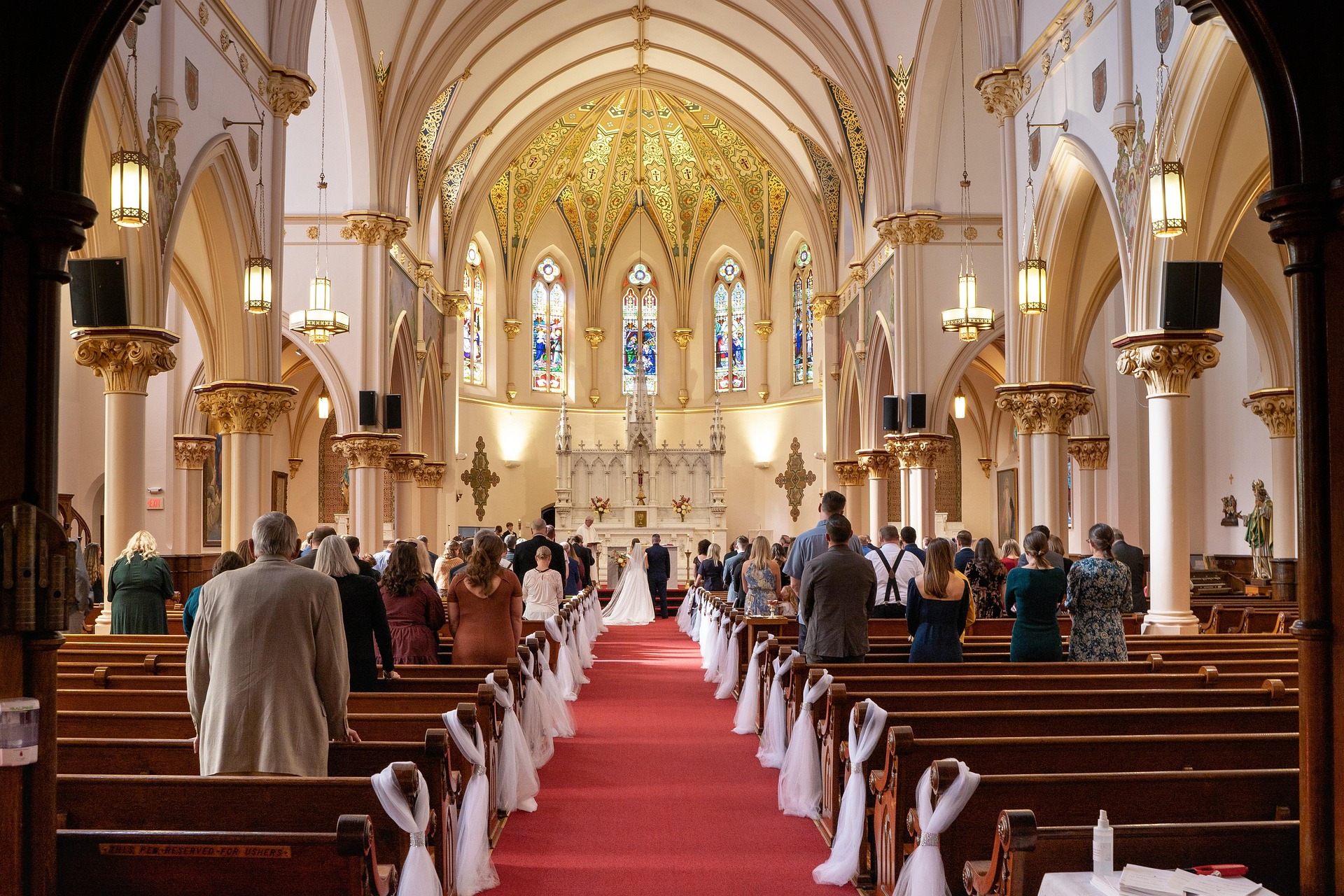
What a Coordinator Actually Does
Now you understand why coordinators earn their keep on the day.
It isn't because coordinators have a magic checklist. It's because something will go wrong, and someone needs to handle it without disrupting the bride. The coordinator is the person who absorbs the operational complexity so the bride can be a bride.
Most of what we do during the actual wedding day is invisible. By design. The bride doesn't see the vendor we corrected, the timeline crisis we managed, the family member we redirected, the equipment failure we worked around, the personal crisis we defused. That's the point. The wedding feels seamless because someone is making it feel seamless.
The brides who most benefit from professional coordination are the ones whose weddings have higher base risk:
- Weddings with significant family complexity
- Weddings with multiple vendors operating simultaneously
- Weddings with multi-venue or multi-day logistics
- Weddings with cultural traditions requiring specific coordination
- Outdoor weddings with weather risk
- Weddings during peak SWFL hurricane season
If your wedding falls into any of these categories, the question isn't whether to invest in coordination. The question is what level of coordination fits your specific risk profile.
If your wedding is structurally simple — small guest count, single venue, low family complexity, indoor or weather-protected — the case for full-service planning is weaker. You might still benefit from day-of coordination as insurance, but you don't necessarily need full planning.
The honest version of this entire conversation is in my "Do You Actually Need a Wedding Planner" post. Read that, evaluate honestly, and reach out if you want to talk through what fits your specific wedding.